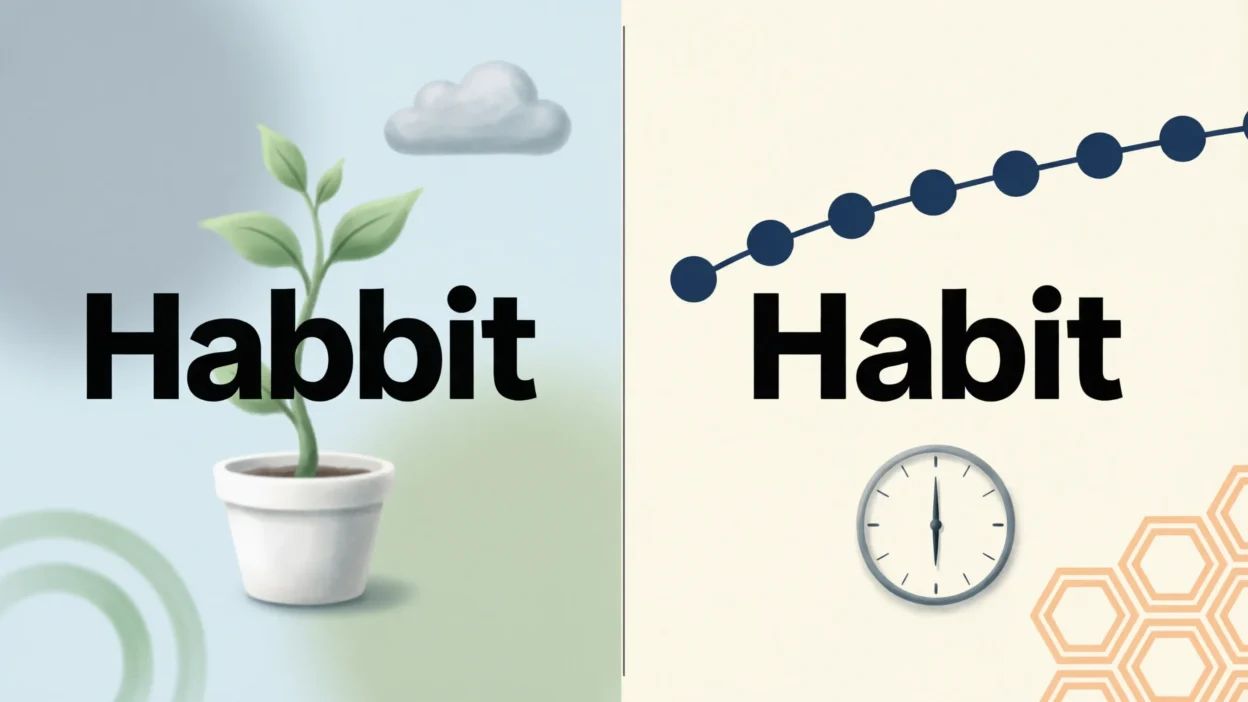
Many people feel confused when they see the words habbit and habit. They look almost the same. Only one extra “b” makes them different.
Because of this small change, learners, students, and even fluent speakers sometimes use the wrong word.
The truth is simple: only one of these words is correct in English. The other one is a spelling mistake.
In this easy guide, you will learn the clear difference, how to use the right word, and how to avoid common mistakes all in very simple English.
Quick Answer
Here is the short and clear answer:
- Habit ✅ → Correct English word
- Habbit ❌ → Incorrect spelling (wrong word)
Meaning:
- Habit means something you do again and again.
Example:
- Brushing your teeth every morning is a habit.
There is no real English word called “habbit.” It is just a misspelling of habit.
Simple Origin and Background
The word habit comes from Latin and French languages. Long ago, it meant clothing or behavior. Over time, its meaning changed and became what we know today:
Habit = something you do regularly
The word habbit does not come from any language. It is simply a spelling error made by adding one extra “b.”
This mistake happens because:
- Some English words have double letters.
- People think habit should also have double “b.”
But in correct English spelling, habit has only one “b.”
Clear Explanation of the Difference
Habit (Correct Word)
Habit is a noun.
It means:
Something you do again and again, often without thinking.
Examples:
- Drinking water every morning is a good habit.
- Checking your phone before sleeping is a common habit.
- Reading every day is a healthy habit.
Habbit (Incorrect Word)
Habbit is not a real English word.
- It has no meaning.
- It should not be used in writing or speaking.
If you write habbit, it is a spelling mistake.
Comparison Table
| Feature | Habit | Habbit |
| Correct spelling | ✅ Yes | ❌ No |
| Real English word | ✅ Yes | ❌ No |
| Meaning | Something you do regularly | No meaning |
| Used in writing | ✅ Always | ❌ Never |
| Common error | ❌ No | ✅ Yes |
Which One to Use and When
You should always use “habit.”
Use habit when talking about:
- Daily routines
- Repeated actions
- Good or bad behaviors
- Lifestyle patterns
Examples:
- She has a habit of waking up early.
- Smoking is a bad habit.
- Studying daily is a good habit.
Never use “habbit.”
It is always wrong.
Common Mistakes People Make
Here are some very common mistakes:
1. Adding Extra “B”
❌ habbit
✅ habit
Many people think English needs double letters, but habit only has one “b.”
2. Typing Too Fast
Sometimes people type habbit by mistake because their fingers move quickly.
Tip: Always check spelling before sending messages, emails, or homework.
3. Thinking Both Words Are Correct
Some learners think:
habit = noun
habbit = verb
This is not true.
There is no word called habbit.
4. Copying Wrong Spelling from Social Media
People often copy incorrect spelling from:
- Social media posts
- Comments
- Informal chats
This spreads the mistake.
Everyday Real Life Examples
Let’s see how habit is used in daily life.
Emails
- I have a habit of checking my email every morning.
- Sorry for the late reply. I don’t have the habit of opening emails at night.
News
- Experts say regular exercise is a healthy habit.
- Drinking enough water is an important habit for good health.
Social Media
- My new habit is reading 10 pages daily.
- Breaking a bad habit is hard, but possible.
Daily Conversations
- He has a bad habit of being late.
- She developed a habit of saving money.
Short Learning Section for Students and Beginners
Simple Meaning
Habit = something you do again and again.
Memory Trick
To remember the correct spelling:
👉 H-A-B-I-T → One B = One good habit
Habit has ONE “b.”
Simple Practice
Fill in the blanks:
- Brushing teeth daily is a good ______.
- Watching too much TV is a bad ______.
Correct answer: habit
Common Habits Examples
- Eating breakfast
- Sleeping early
- Exercising
- Studying daily
- Using mobile phones
All these are called habits.
FAQ Section
1. Is “habbit” a real English word?
No. Habbit is not a real English word. It is only a spelling mistake.
2. What does “habit” mean?
Habit means something you do again and again, often without thinking.
3. Why do people spell habit as habbit?
Because many English words have double letters, people think habit should also have two b, but this is wrong.
4. Is habit a noun or a verb?
Habit is a noun.
Example:
- Reading is my favorite habit.
5. What is a good habit?
A good habit helps your health, mind, or life.
Examples:
- Exercising
- Studying
- Eating healthy food
6. What is a bad habit?
A bad habit harms your health or life.
Examples:
- Smoking
- Sleeping late
- Eating junk food
7. How can I remember the correct spelling?
Remember:
👉 Habit has one “b.”
Think: One good habit = one “b.”
8. Can I ever use “habbit” in any situation?
No. Habbit is always wrong. You should never use it.
Simple and Clear Conclusion
The difference between habbit and habit is very easy:
- Habit is the correct English word.
- Habbit is a spelling mistake.
If you remember just one thing, remember this:
👉 Always write HABIT with only one “b.”
Understanding this small difference will help you:
- Write better English
- Avoid common spelling mistakes
- Feel more confident in communication
With regular practice, correct spelling will become your good habit! 😊

Michael is a passionate thinker and visionary creator who turns ideas into action. With focus and integrity, he strives to make every project purposeful and inspiring.