Many people feel confused when they hear or read the phrase “kill or be killed.” The words sound very strong and serious, and they can feel scary.
- What does this phrase really mean?
- Is it literal, or can it be used in other ways?
- When should we use it, and when should we not?
This article explains everything in very simple English. By the end, you will clearly understand the meaning, use, and difference of this phrase, without confusion.
Quick Answer: What Does “Kill or Be Killed” Mean?
In very simple words:
- “Kill or be killed” means:
You must act first and protect yourself, or someone else will harm or destroy you.
Key points:
- It often describes a very dangerous situation.
- It can be literal (real life danger).
- It can also be figurative (used in business, competition, or life struggles).
- It shows urgency, pressure, and survival.
Simple Origin and Background Explanation
The idea behind “kill or be killed” comes from human survival. Long ago, people lived in wild conditions. There were wild animals, enemies, and very little protection. To stay alive, people sometimes had to defend themselves quickly and strongly.
Over time, this idea became a common phrase. Now, people also use it in non-violent ways, such as:
- Business competition
- Sports
- Exams
- Job markets
So today, the phrase often means strong competition or survival pressure, not real killing.
Clear Explanation of the Meaning
Let’s break the phrase into two simple parts:
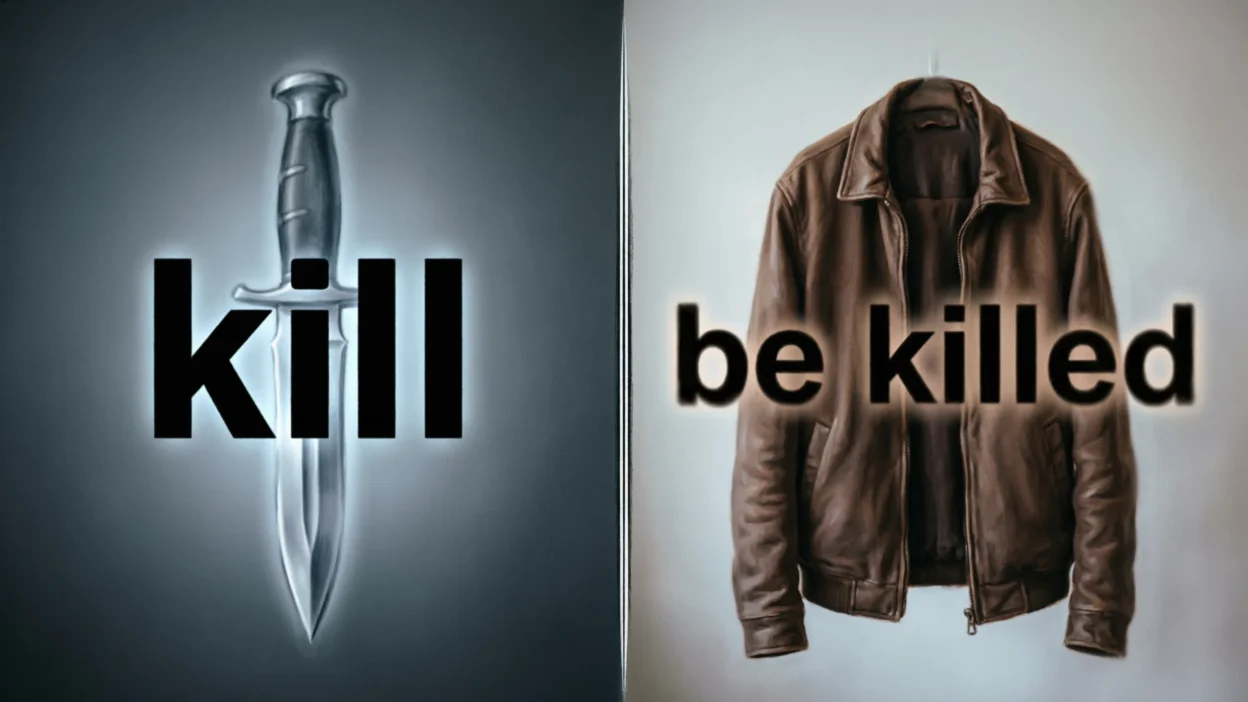
1. Kill
This word means to cause death. In real situations, it means physical harm. In daily speech, it can mean to defeat, destroy, or completely stop something.
2. Be Killed
This means to die or be destroyed. In modern usage, it can also mean to fail badly or lose everything.
Full Meaning
“Kill or be killed” = Act fast and strongly, or you will fail or lose.
Understanding the Difference: Literal vs Figurative Use
Literal Meaning (Real Life Danger)
Used in:
- War
- Crime stories
- Survival situations
- Action movies
Example:
In war, soldiers often feel they must kill or be killed.
Figurative Meaning (Everyday Life)
Used in:
- Business
- Studies
- Sports
- Work competition
Example:
In business, it is kill or be killed, meaning you must work harder or lose.
Comparison Table: Literal vs Figurative Use
| Feature | Literal Meaning | Figurative Meaning |
| Situation | Real danger | Competition or pressure |
| Violence | Physical harm | No real harm |
| Common in | War, crime, survival | Business, study, sports |
| Purpose | Stay alive | Succeed or survive competition |
| Emotional tone | Fear, danger | Pressure, stress |
Which One to Use and When
Use Literal Meaning When:
- Talking about war
- Describing dangerous survival situations
- Writing action stories or movies
- Reporting serious crimes
Use Figurative Meaning When:
- Talking about competition
- Describing hard business situations
- Talking about exams or job pressure
- Explaining tough life challenges
Important Tip:
In polite conversation, avoid using this phrase unless necessary, because it sounds strong and intense.
Common Mistakes People Make
Many learners make small mistakes with this phrase. Let’s fix them.
1. Taking It Always Literally
❌ Wrong:
My exams are hard, so I will kill or be killed.
✅ Better:
My exams are very competitive. I must study hard to succeed.
2. Using It in Soft or Friendly Situations
❌ Wrong:
Family dinner is kill or be killed.
✅ Better:
Family dinner is stressful but fun.
3. Using It Too Often
This phrase is very strong, so using it too much can sound dramatic or rude.
Everyday Real-Life Examples
1. In Emails
Example:
This project is very competitive. It feels like kill or be killed, so we must work carefully.
2. In News
Example:
The business world is kill or be killed, with companies fighting to survive.
3. On Social Media
Example:
Life in big cities is kill or be killed — work hard or fall behind.
4. In Daily Speech
Example:
In exams, it’s kill or be killed if you want top grades.
Short Learning Section for Students and Beginners
Easy Meaning to Remember
Kill or be killed = Do or die
Simple Understanding Trick
Think about a race:
- If you run fast → You win
- If you slow down → You lose
That pressure is kill or be killed.
Practice Sentences
Try making your own sentences:
- In sports, it is __________.
- In exams, it feels like __________.
- Business competition is __________.
FAQ Section
1. Is “kill or be killed” always violent?
No. Many times, it is only figurative and means strong competition or pressure.
2. Can students use this phrase?
Yes, but carefully. It is better to use softer words in school writing.
3. Is this phrase rude?
It can sound harsh, so avoid using it in polite or formal situations.
4. What is a softer alternative?
- Very competitive
- High pressure
- Tough situation
- Strong competition
5. Is this phrase common in movies?
Yes, especially in action and war movies.
6. Can it be used in business talks?
Yes, but carefully. It shows strong competition, not violence.
7. Does it always mean someone must die?
No. In most daily use, it means success or failure, not real death.
Conclusion
“Kill or be killed” is a strong phrase that shows extreme pressure, danger, or competition. In real life, it can mean survival, but in everyday language, it usually means working very hard to succeed.
Understanding the difference between literal and figurative meaning helps you use this phrase safely and correctly. Always remember to choose gentler words when speaking politely or writing formally.
With this simple explanation, you can now understand and use “kill or be killed” with confidence and clarity.

Andrew Christopher is a passionate visionary who blends creativity with purpose to bring ideas to life. With a focus on innovation and integrity, he inspires growth and lasting impact.